
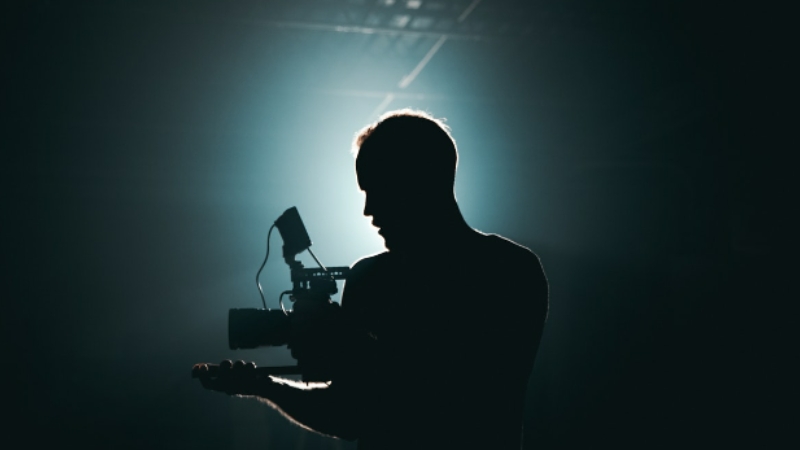
Video editing and production are crucial components of media production, enabling creators to craft compelling stories, convey complex information, and evoke emotions in their audiences. From blockbuster films and television shows to social media clips and corporate videos, video editing and production play a vital role in shaping the narrative, pacing, and overall aesthetic of a project.
The Video Editing Process
Video editing involves the selection and assembly of shots, scenes, and sequences to create a cohesive narrative or visual flow. The process typically begins with:
- Pre-production: Planning, scripting, and storyboarding to visualize the project’s concept and objectives.
- Production: Capturing footage, recording audio, and gathering other visual elements.
- Post-production: Editing, visual effects, sound design, and music composition to refine the project.
To create engaging and polished videos, editors employ various techniques and software, including:
- Cutting and pacing: Controlling the rhythm and flow of a scene or sequence.
- Transitions and effects: Using fades, dissolves, and other visual effects to enhance the narrative.
- Color correction and grading: Adjusting the color palette and tone to create a specific mood or atmosphere.
- Sound design and mixing: Balancing audio levels, adding sound effects, and creating an immersive sonic experience.
Some popular video editing software includes:
- Adobe Premiere Pro: A professional-level editing suite with advanced features and integration with other Adobe tools.
- Avid Media Composer: A high-end editing system used in film and television production.
- Final Cut Pro X: A professional-level editing software for Mac users.
- DaVinci Resolve: A free editing software with advanced color grading and audio editing capabilities.
A video production team typically consists of:
- Director: Oversees the creative vision and overall production.
- Producer: Manages logistics, scheduling, and budgeting.
- Cinematographer: Responsible for camera operation, lighting, and visual aesthetics.
- Editor: Assembles the final product, working closely with the director and producer.
- Sound designer: Creates and edits audio elements, including sound effects and music.