
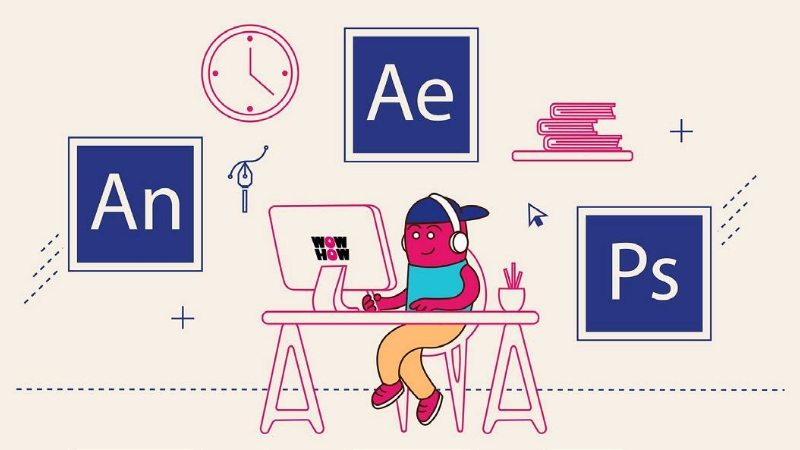
Motion graphics have become an integral part of media production, adding an extra layer of visual appeal and storytelling depth to various forms of media, including films, television shows, commercials, video games, and social media content. By combining graphic design, animation, and video production techniques, motion graphics designers create dynamic, engaging, and often interactive visual elements that captivate audiences and convey complex information in an easily digestible format.
What are Motion Graphics? Motion graphics refer to the use of animation, graphics, and visual effects to communicate information, tell stories, or enhance the visual appeal of a media production. This can include a wide range of elements, such as:A
- Animated logos and titles
- Kinetic typography
- 2D and 3D animations
- Infographics and data visualizations
- Virtual reality (VR) and augmented reality (AR) experiences
- Role of Motion Graphics in Media Production
Motion graphics play a crucial role in media production, serving several purposes:
- Visual Storytelling: Motion graphics help to convey complex information, emotions, and themes in a visually engaging and easy-to-understand format.
- Branding and Identity: Animated logos, titles, and graphics help to establish a brand’s identity and create recognition.
- Emotional Connection: Motion graphics can evoke emotions, create tension, or convey a sense of urgency, drawing the audience into the story.
- Information Communication: Motion graphics can present complex data, statistics, and information in a clear, concise, and engaging manner.
There are several types of motion graphics, including:
- 2D Animation: Traditional animation techniques using hand-drawn or computer-generated images.
- 3D Animation: Computer-generated imagery (CGI) used to create three-dimensional models and animations.
- Kinetic Typography: Animated text and typography used to convey information or tell a story.
- Infographics: Visual representations of data and information used to communicate complex information.
- Virtual Reality (VR) and Augmented Reality (AR): Immersive experiences that combine motion graphics with interactive technology.
Motion graphics designers use a range of software and tools, including:
- Adobe After Effects: A digital visual effects, motion graphics, and compositing software.
- Adobe Premiere Pro: A video editing software that also offers motion graphics capabilities.
- Blender: A free, open-source 3D creation software.
- Cinema 4D: A 3D modeling, animation, and rendering software.
- Sketch and Figma: Graphic design and user interface (UI) design software.
Motion graphics are a powerful tool in media production, offering a unique combination of visual appeal, storytelling depth, and information communication. By understanding the role, types, and best practices of motion graphics, designers and media producers can create engaging, effective, and memorable visual experiences that captivate audiences worldwide.